Small Bathroom Ideas: Smart Design Hacks
Written by
Daniel
Published on
January 20, 2026
Reading Time
4 min read
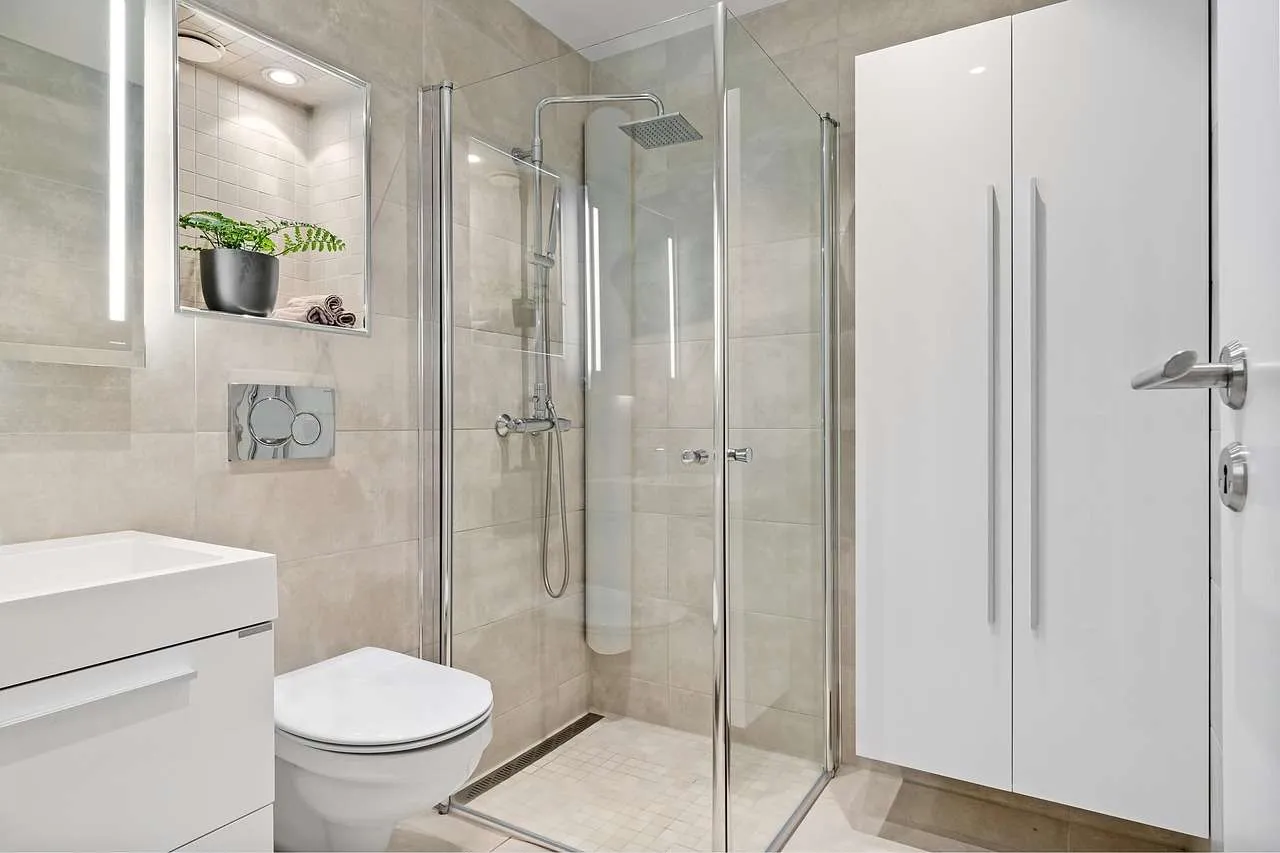
Designing a small bathroom requires a balance between function and style. With clever layout, compact fixtures, and reflective surfaces, you can create a space that feels larger and works harder for you. This guide covers practical ideas for creating more storage, improving lighting, and choosing materials that resist moisture.
Smart Layouts for Small Bathrooms
Begin with a plan that prioritizes circulation and accessibility. Measure the door swing and ensure at least 30 inches of clearance for a comfortable doorway. Consider a wet zone arrangement with a shower and toilet in one line or a corner shower to maximize wall space. Opt for a space plan that keeps plumbing in known locations to reduce remodeling costs.
Floating Vanities, Wall Mounted Fixtures, and Corner Storage
A floating vanity visually lifts the floor, increasing perceived room height. Pair it with a wall mounted toilet or compact one piece model to minimize the footprint. Build corner shelves or a recessed medicine cabinet into the shower wall to keep items off the vanity top. For towels and linen, use slim organizers mounted on the wall rather than bulky cabinets.
Light, Color, and Mirrors Make It Feel Bigger
Light colors like off-white, pale gray, or soft beige reflect more light. Use a large mirror or a mirrored wall panel to double the visual space. Consider frosted glass or a transparent shower enclosure to maintain openness while containing moisture. Layer lighting with ambient recessed lights and a task light near the sink for grooming.
Smart Storage Solutions
Storage is the anchor of small bath design. Use recessed niches in the shower for shampoo and soap. A tall, slim linen cabinet can fit beside the vanity, and a medicine cabinet with an internal shelf provides hidden storage. Use baskets under the sink or in the corner for downscaled storage. Multi-purpose accessories, like a vanity with integrated drawers or a towel bar that doubles as a shelf, maximize every inch.
Durable Materials and Finishes
Choose moisture resistant materials crafted for bathrooms. Porcelain tile, quartz countertops, and acrylic shower bases resist humidity and scratches. Select finishes that resist soap scum and mineral deposits, such as matte nickel or brushed brass, and maintain them with regular cleaning to keep the space feeling fresh.
Budget, Maintenance, and EEAT
Smart small bathroom ideas balance budget with longevity. Prioritize fixtures and features with proven track records, and plan for proper ventilation to reduce maintenance costs over time. A reputable contractor can provide reliable estimates and references to support trust and credibility, aligning with EEAT principles.
Comparison of Common Options
The table below compares typical choices for small bathrooms. It shows quick pros and cons to help you decide what suits your space and budget.
| Option | Pros | Cons |
|---|---|---|
| Vanity | Floating style saves floor space; easier cleaning | Requires secure mounting |
| Shower | Curbless/frameless feels open; glass enhances light | Higher installation cost |
| toilet | Wall-hung saves floor area; easier cleaning | Requires structural work |
| Storage | Niches and recessed cabinets maximize space | Limited flexibility if layout changes |
When selecting materials, aim for non-slip floors, moisture-resistant surfaces, and easy-to-clean finishes that maintain a neat appearance with minimal effort. A small bathroom can feel luxurious with the right scale, proportion, and finishing touches.
Conclusion, small bathroom ideas are not about sacrificing function but about optimizing every inch with thoughtful design. By choosing space-saving fixtures, smart storage, bright lighting, and durable finishes, you can transform a compact bath into a comfortable, stylish, and long-lasting space.